Why Sandalwood Requires Patience
A slow-growing tree asks for a different relationship with time.
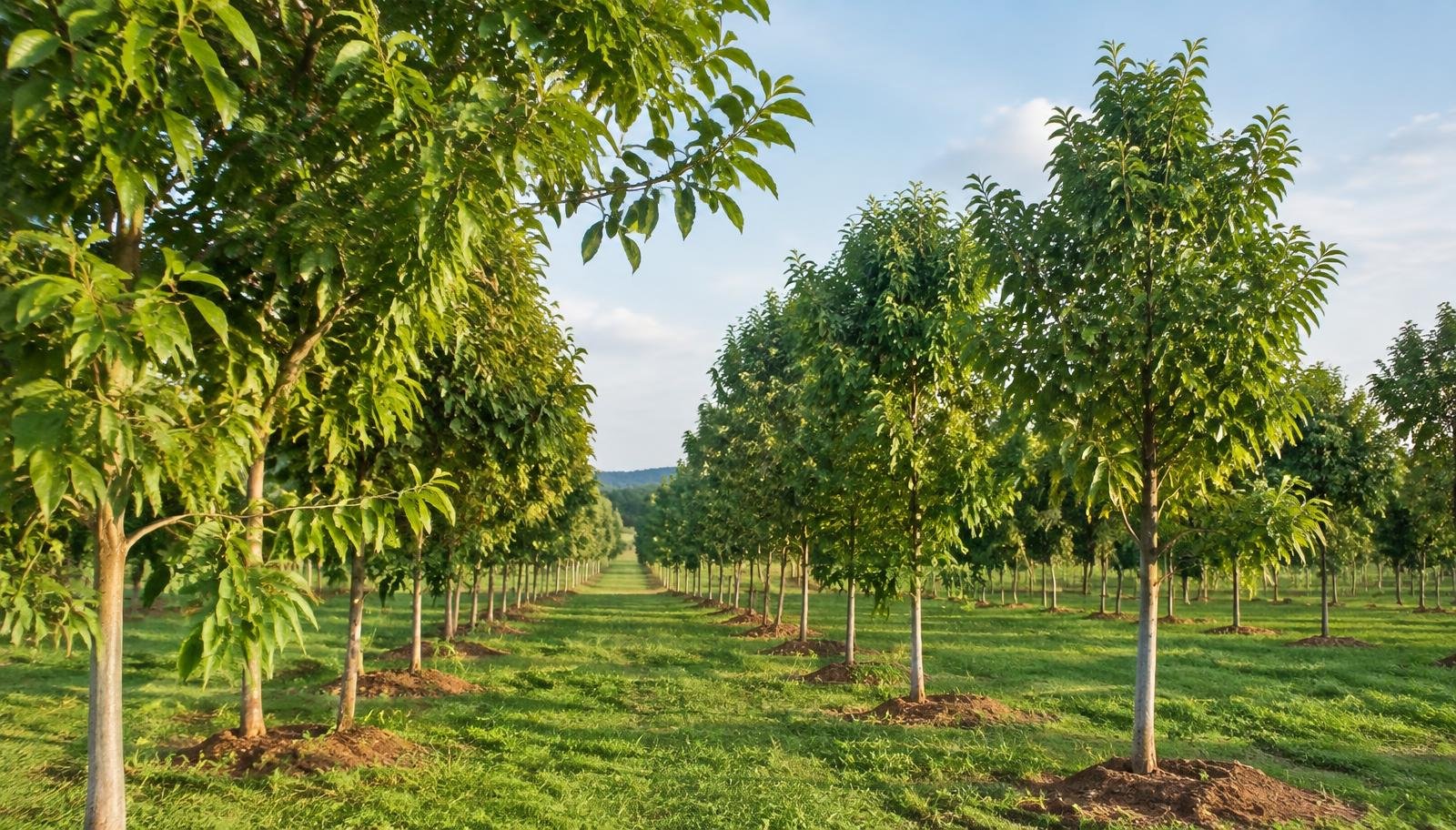
Sandalwood is not a crop in the ordinary sense. It is a tree that grows over many years, and much of what makes it valued develops slowly in its heartwood. Anyone who plants it is, in effect, making a promise to look after something for a long time.
A tree that needs company
Indian sandalwood is widely described as semi-parasitic: in its early life it draws some support from the roots of neighbouring host plants. That is one reason why sandalwood plantations are planned as communities of plants rather than single-species rows.
Care, not shortcuts
Watering, weeding, protection and observation make up most of the work. There are few dramatic moments — mostly seasons of attention. This is the rhythm the group's journey began with in 2013.
This article is a general editorial sample. It does not describe the growth stage, value or harvest timing of any specific plantation.